Xi'an — Where You Can Touch 3,000 Years of History
Xi'an doesn't just preserve history — it lives inside it. This was **Chang'an** (长安), the "City of Perpetual Peace," capital of 13 dynasties and the eastern terminus of the Silk Road. At its Tang Dynasty peak, Chang'an was the largest and most cosmopolitan city on Earth — over a million residents, w
Where is Xi'an?
Located in Northwest China with a population of 13.0 million.
When to Visit - Month by Month
| Month | Temp | Rain | Crowd | Rating | Tips |
|---|---|---|---|---|---|
| Jan | -4~5°C | Low | Low | ★★ | Great for Warriors |
| Feb | -2~8°C | Low | Low | ★★ | Lantern Festival |
| Mar | 4~14°C | Low | Medium | ★★★★ | Spring begins |
| Apr | 10~21°C | Low | High | ★★★★★ | Mild, Tomb Sweeping |
| May | 15~26°C | Low | High | ★★★★ | Best month |
| Jun | 20~32°C | Medium | High | ★★★ | Hot, summer |
| Jul | 23~35°C | High | High | ★★ | Hottest, dry |
| Aug | 21~31°C | Medium | High | ★★ | Hot, fewer crowds |
| Sep | 16~26°C | Medium | Medium | ★★★★★ | Best month, clear |
| Oct | 9~19°C | Low | High | ★★★★ | Golden autumn |
| Nov | 2~12°C | Low | Low | ★★★ | Cool, crisp |
| Dec | -3~6°C | Low | Low | ★★ | Cold, cheap |
Compare climate with other cities
Attractions - Ranked
Must-See (Don,t Miss These)
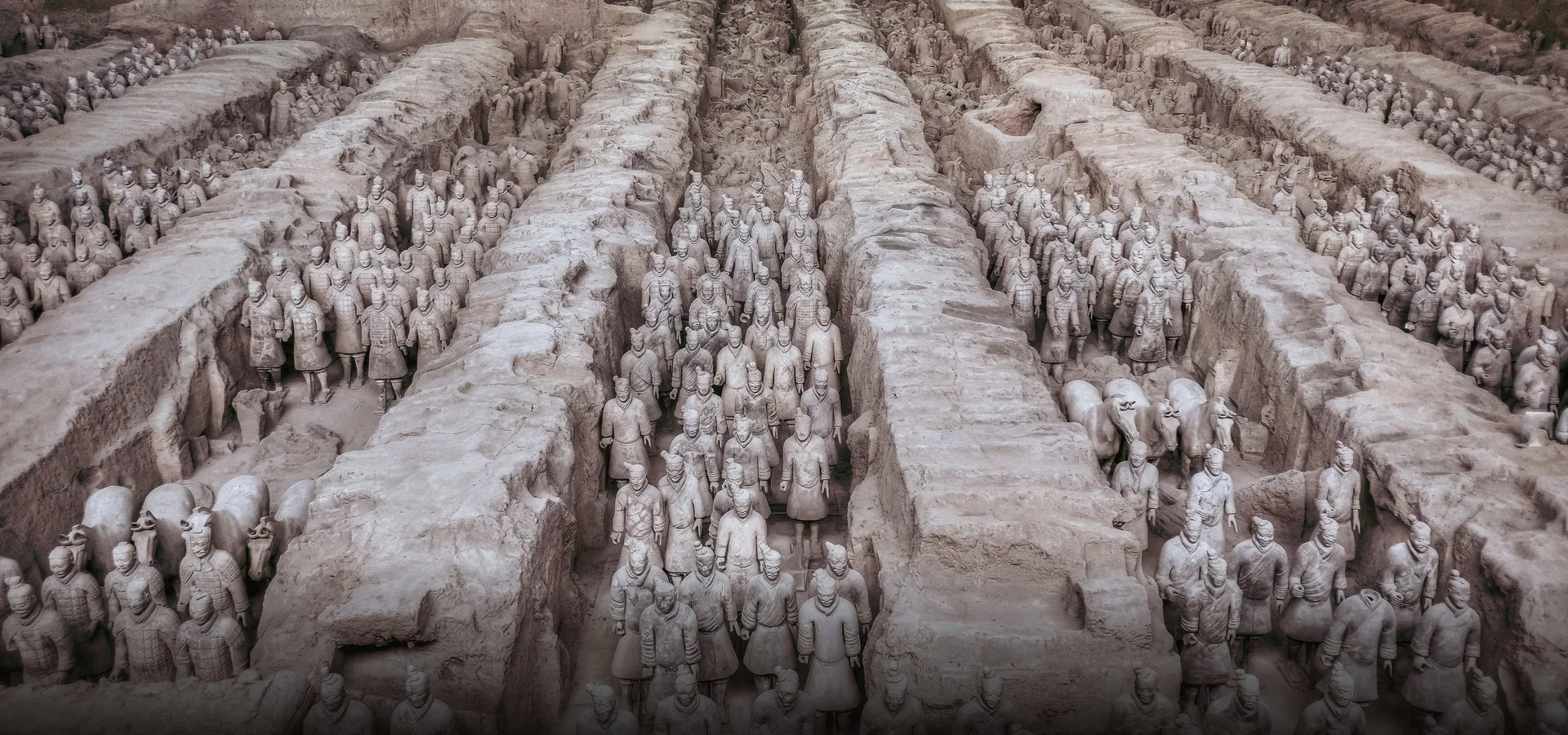
Terracotta Warriors (Pit 1, 2, 3)
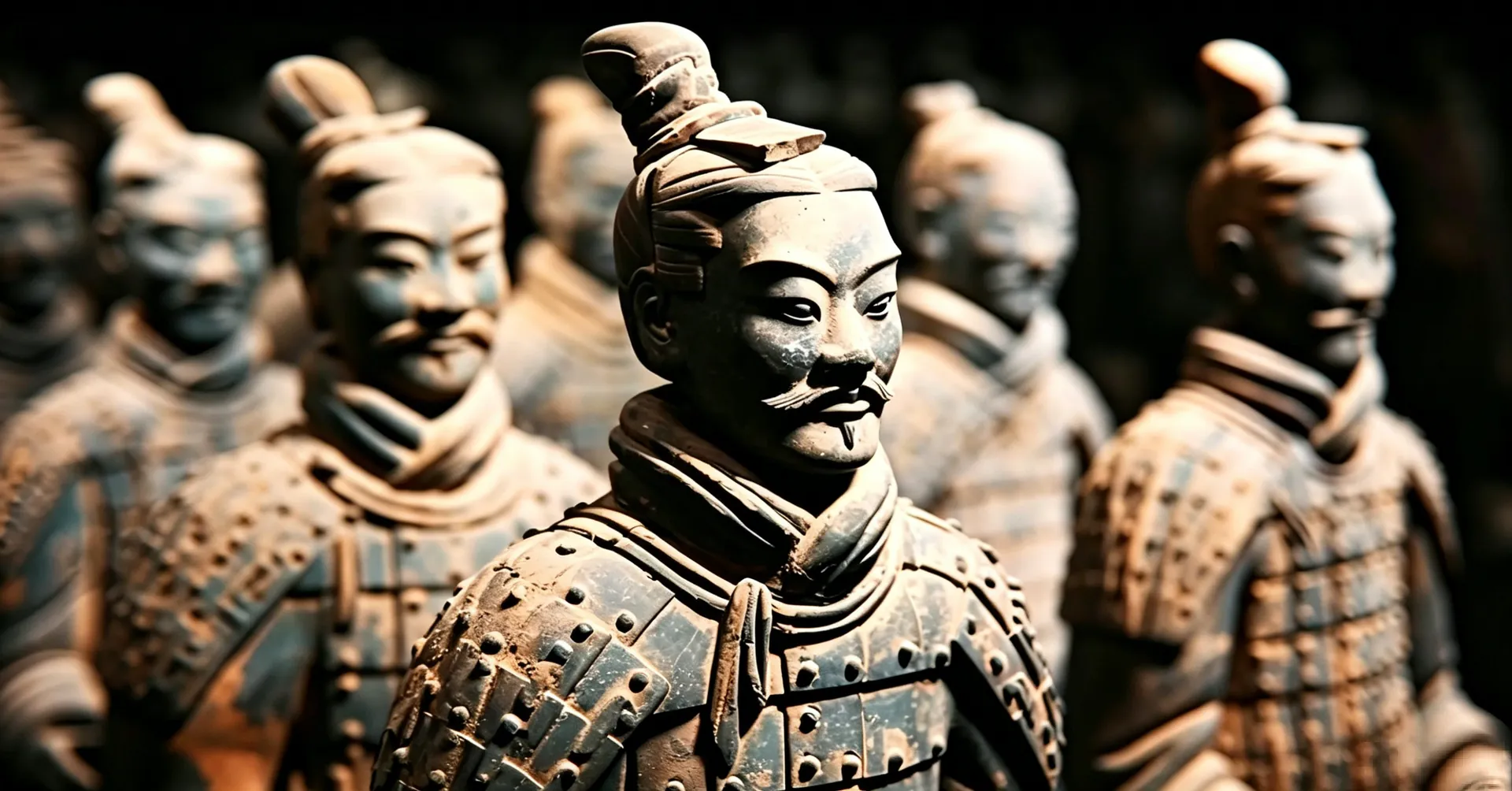
One of the world's greatest archaeological discoveries (1974). Three pits contain over 8,000 life-sized terracotta soldiers - each with unique facial features. Pit 1 is the largest and most dramatic.
| Detail | Info |
|---|---|
| Open | 8:30 AM - 5:30 PM |
| Admission | 120 yuan |
| Getting there | Bus 306 from Xi'an Railway Station (1h) |
| Time needed | 2-3 hours plus 1h travel |
Tip: Go at opening time (8:30 AM) when Pit 1 is nearly empty. Skip the replica shops at the exit.
Ancient City Wall (cycle the top)
Best-preserved city wall in China (built 1370). 14km circumference - cycle the top for excellent city views.
| Detail | Info |
|---|---|
| Open | 8:00 AM - 10:00 PM |
| Admission | 54 yuan |
| Bike rental | 45 yuan per bike (90 min) |
Tip: Cycle counterclockwise from South Gate. Best at golden hour (4-6 PM). Open until 10 PM with lanterns.
Muslim Quarter food street
Xi'an's vibrant Hui Muslim neighborhood. Great Mosque (1,300 years old) and sizzling food stalls serving yangrou paomo, biangbiang noodles, and lamb skewers.
Tip: Go in the evening when the food scene peaks. Walk into side alleys for cheaper eats. Great Mosque fee: 25 yuan.
Worth a Visit (If You Have Time)
Giant Wild Goose Pagoda
A seven-story brick pagoda built in 652 AD during the Tang Dynasty to house Buddhist scriptures brought from India by the monk Xuanzang. Located within the Daci'en Temple complex. The pagoda is Xi'an's most enduring landmark.
| Detail | Info |
|---|---|
| Open | 8:00 AM - 6:30 PM |
| Admission | 40 yuan (temple + pagoda) |
| Getting there | Metro Line 3 to Dayanta Station |
| Time needed | 1.5 hours |
Tip: The North Square has a large musical fountain show (12:00, 16:00, 19:00, 21:00). Climb to the top of the pagoda (steep stairs) for views over the city. Best visited in late afternoon - the Tang Dynasty Ever-Bright City (a Tang-themed entertainment district) lights up next door at night.
Shaanxi History Museum
One of China's best museums, often called the "Treasure House of Chinese Civilization." The collection spans the Zhou, Qin, Han, and Tang dynasties, with over 370,000 artifacts. The Tang Dynasty gold and silver collection is world-class.
| Detail | Info |
|---|---|
| Open | 8:30 AM - 6:00 PM (closed Mondays) |
| Free admission | limited daily tickets (bring passport) |
| Paid exhibits | 30-300 yuan for special exhibitions |
| Getting there | Metro Line 2 or 3 to Xiaozhai Station |
| Time needed | 2-3 hours |
Tip: Free tickets are extremely limited - arrive by 7:30 AM to queue, or buy the paid special exhibit ticket (30 yuan) for guaranteed entry. The murals and gold artifacts in the Tang Dynasty hall are the highlight. Audio guide available in English (30 yuan).
Tang Dynasty Ever-Bright City
A massive Tang Dynasty-themed cultural and entertainment district built on the site of the original Tang imperial palace. Features period architecture, nightly performances, and a lake with light shows. The Tang Dynasty Show (including dumpling banquet) is the most famous cultural performance in Xi'an.
| Detail | Info |
|---|---|
| Area hours | 24/7 (free entry) |
| Tang Dynasty Show | 300-500 yuan (includes dinner) |
| Getting there | Next to Giant Wild Goose Pagoda |
| Time needed | 2-3 hours in the evening |
Tip: Visit after sunset when the Tang-style buildings are illuminated. Combine with the Giant Wild Goose Pagoda visit (they're adjacent). The Tang Dynasty Show is touristy but genuinely impressive - the dumpling banquet before the show is enjoyable. Book the show at least one day in advance during peak season.
Tourist Traps to Skip
| Trap | Why to Skip |
|---|---|
| Terracotta Warrior replica shops at exit | Shops outside the Terracotta Warriors museum exit sell mass-produced replicas at 10x markup. Buy from the official museum shop inside if you want a souvenir |
| Xi,an Biangbiang noodle tourist traps | Many restaurants in the Muslim Quarter tourist zone serve mediocre biangbiang noodles at inflated prices. Walk two streets away from the main drag for the real thing |
Suggested Itineraries
1 Day in Xi'an
| Time | Activity |
|---|---|
| 7:00 AM | Depart for Terracotta Warriors by Bus 306 |
| 8:00-11:00 | Terracotta Warriors - Pits 1, 2, 3 |
| 11:30-12:30 | Lunch: biangbiang noodles in Muslim Quarter |
| 1:00-2:30 | Cycle the Ancient City Wall (South Gate) |
| 3:00-4:30 | Shaanxi History Museum |
| 5:00-6:00 | Giant Wild Goose Pagoda |
| 6:30-9:00 | Muslim Quarter dinner - yangrou paomo |
| 9:00-10:00 | Tang Dynasty Ever-Bright City night lights |
2 Days in Xian
| Time | Activity |
|---|---|
| 9:00-11:00 | Bell Tower + Drum Tower area |
| 11:30-12:30 | Lunch: roujiamo and liangpi |
| 1:00-4:00 | Calligraphy Stone Museum or Han Yang Ling |
| 5:00-9:00 | Tang Dynasty Show with dumpling banquet |
Day Trips
| Destination | Transport | Time | Why Go |
|---|---|---|---|
| Huashan Mountain | Bus 1.5h | Full day | 5 sacred peaks, cable car |
| Famen Temple | Bus 2h | Half-day | Buddha relic temple |
Food Guide
Xi'an's cuisine is a Silk Road fusion — Chinese fundamentals meet Central Asian spice traditions, with an outsized Muslim influence. Prepare to eat a lot of wheat, lamb, and cumin.
Often called the "Chinese hamburger" — seasoned, slow-braised pork belly chopped and stuffed into a crispy-on-the-outside, soft-on-the-inside flatbread (baijimo). The ratio of meat to bread is approximately "more meat than physics should allow."
| Restaurant | Area | Notes |
|---|---|---|
| Ziwulu Zhang Ji (子午路张记) | Multiple locations | The gold standard; their liangpi (cold noodles) are also excellent |
| Fan Ji (樊记) | Near Bell Tower | An institution since 1925; tender, intensely flavorful meat |
The ultimate Xi'an dish. You're handed a bowl with a dense, unleavened flatbread (mo) and spend 10–15 minutes tearing it into pea-sized pieces — this is part of the ritual, and doing it properly matters. The bowl is then taken back to the kitchen, flooded with rich lamb broth, and returned to you topped with tender lamb slices, glass noodles, and cilantro. Add chili paste to taste.
| Restaurant | Area | Notes |
|---|---|---|
| Lao Mi Jia Da Yu (老米家大雨) | Muslim Quarter back lanes | The real deal — no English, just incredible broth |
| Yishenlou (一间楼) | Multiple locations | More formal, easier for first-timers |
Cold rice noodles tossed with sesame paste, chili oil, vinegar, crushed garlic, and julienned cucumber. It's the refreshing counterpoint to Xi'an's heavier dishes — tangy, nutty, and faintly spicy. Perfect on a hot day (Xi'an summers are intense).
| Restaurant | Area | Notes |
|---|---|---|
| Wei Jia Liangpi (魏家凉皮) | Multiple locations | Reliable chain; clean, English-friendly, consistent |
The character biáng is one of the most complex in the Chinese language — 58 strokes — and the noodles are worthy of it. Belt-wide hand-pulled wheat noodles, boiled and smothered in sizzling chili oil, soy sauce, garlic, and chopped vegetables. The name comes from the sound the dough makes when slapped against the counter during pulling.
| Restaurant | Area | Notes |
|---|---|---|
| Lao Bai Jia (老白家面馆) | Near South Gate | A courtyard noodle shop beloved by locals; watch the noodle-pulling through the open kitchen window |
Xi'an's Hui community makes their soup dumplings with lamb or beef instead of pork — the wrappers are thicker than Shanghai xiaolongbao, and the broth is spiced with cumin and Sichuan pepper. They're served in towering bamboo steamers in the Muslim Quarter.
| Restaurant | Area | Notes |
|---|---|---|
| Jia San Guantang Baozi (贾三灌汤包子) | Muslim Quarter main street | The most famous; touristy but genuinely excellent |
Where to Stay
| Area | Vibe | Price Range | Best For |
|---|---|---|---|
| Bell Tower & Muslim Quarter (钟楼/回民街) | Centre of everything; walk to food, metro, and night markets | ¥300–1,200/night | First-time visitors, food travelers |
| Giant Wild Goose Pagoda & Qujiang (大雁塔/曲江) | Leafy, upscale, Tang Dynasty theme; near the Ever-Bright City nightlife | ¥500–2,000/night | Couples, luxury seekers, Tang Dynasty romantics |
| South Gate / Yongning Gate (南门/永宁门) | Boutique hotels, craft beer bars, live music; the city's hip corner | ¥400–1,500/night | Night owls, design-conscious travelers |
| Lintong District (临潼区) | Near the Terracotta Warriors and Huaqing Hot Springs | ¥300–800/night | Early Warrior visitors, hot spring enthusiasts |
Getting Around
| Method | Route / App | Notes |
|---|---|---|
| From Xianyang Airport (XIY) | Metro Line 14 → transfer to Line 2 or 4 | ~70 min, ¥8 |
| From Xianyang Airport (XIY) | Airport shuttle bus | ~60 min, ¥25; multiple city-center routes |
| From Xianyang Airport (XIY) | Taxi / DiDi | ~50 min, ¥120–150 |
| Metro | Alipay Transport or "西安地铁" app | 8 lines, English signage, ¥2–8 per ride |
| To Terracotta Warriors | Bus 306 (游5) from east side of Railway Station | ¥7, ~60 min; departs when full |
| Within the old city | Shared bike or walk | The grid layout makes walking logical; the wall area is flat and bike-friendly |
Unique Experiences
| Experience | Why It's Worth It |
|---|---|
| Cycle the full city wall at sunset | 13.74 km of ancient fortifications, golden-hour light, and 360° views of old and new Xi'an |
| Rent Hanfu & shoot at Ever-Bright City | Dozens of rental shops near Dayanta — full Tang Dynasty costume (¥100–300, includes hair and makeup). Walk the Ever-Bright City feeling like you stepped out of a Tang mural |
| Watch The Song of Everlasting Sorrow (长恨歌) | Epic outdoor historical dance drama at Huaqing Palace, with the illuminated Mountain Li as the backdrop. March–November only. Book 1–2 weeks ahead |
| Shadow puppet show at Gao Family Mansion (高家大院) | A 400-year-old courtyard house in the Muslim Quarter; 20-minute shadow puppet performances in an intimate setting |
| Calligraphy & stone rubbing at Beilin Museum (碑林博物馆) | A forest of 3,000 stone steles — the largest collection of ancient calligraphy in China. Watch artisans make ink rubbings from Tang Dynasty stones |

Souvenirs
| Souvenir | What It Is | Where to Buy |
|---|---|---|
| Terracotta Warrior replica | Small to life-size clay warrior reproductions | Official museum shop (quality guaranteed); factory shops near the museum for better prices |
| Fengxiang Painted Clay Sculpture (凤翔彩绘泥塑) | Folk-art painted clay animals and figures — vivid, whimsical, centuries-old tradition | Muslim Quarter artisan shops |
| Shadow Puppet (皮影) | Hand-cut leather puppets — Xi'an is the art form's spiritual home | Gao Family Mansion, Beiyuanmen shops |
| De Mao Gong Crystal Cake (德懋恭水晶饼) | Flaky pastries with sugared fruit and nut filling — a Xi'an specialty since 1872 | De Mao Gong flagship store near Bell Tower |
| Xifeng Liquor (西凤酒) | One of China's four famous baijius — lighter and fruitier than most | Supermarkets, airport duty-free |
Before You Go - Checklist
Travel Styles
¥35 dorm beds inside the city wall, ¥10 roujiamo, Muslim Quarter food crawl for ¥30. Xi'an is one of China's cheapest major cities. Full budget guide →
The Terracotta Warriors awe kids of all ages. The City Wall tandem bike ride is car-free and flat. Noodle-pulling shows in the Muslim Quarter delight young diners. Full family guide →
Aerospace and manufacturing hub. Stay near the Bell Tower. The fastest business lunch is roujiamo (5 minutes). High-speed trains to Beijing (4.5 hrs) and Chengdu (3.5 hrs). Full business guide →
The City Wall has golf carts. The Terracotta Warriors pits have flat walkways and benches. Senior discounts: 65+ free at most attractions. Full seniors guide →
Related
Routes: Golden Route | Themed routes Info: Visa | Payment | Internet
Have you been to Xi'an?
What experience would you tell every traveler not to miss?
More Cities to Explore
Nanjing Travel Guide: Ancient Capital, Ming Dynasty Tombs & Qinhuai River
The ultimate Nanjing travel guide — Sun Yat-sen Mausoleum, Ming Xiaoling, Qinhuai River night cruise, duck blood soup, and the most beautiful plane tree boulevards in China.
Luoyang Travel Guide: Longmen Grottoes, Shaolin Temple & Peony Capital of China
The ultimate Luoyang travel guide for foreigners — the Longmen Grottoes' 100,000 Buddha statues, the Shaolin Temple birthplace of kung fu, the White Horse Temple, and China's most spectacular peony festival.
Dunhuang Travel Guide: Mogao Caves, Crescent Moon Spring & Silk Road
The ultimate Dunhuang travel guide for foreigners — the Mogao Caves' ancient Buddhist murals, the Crescent Moon Spring oasis in the Gobi Desert, Yumen Pass, and the Silk Road's most important artistic treasure.
Get Weekly China Travel Tips
Join our newsletter for destination guides, travel hacks, visa updates, and insider recommendations delivered to your inbox.
No spam. Unsubscribe anytime.