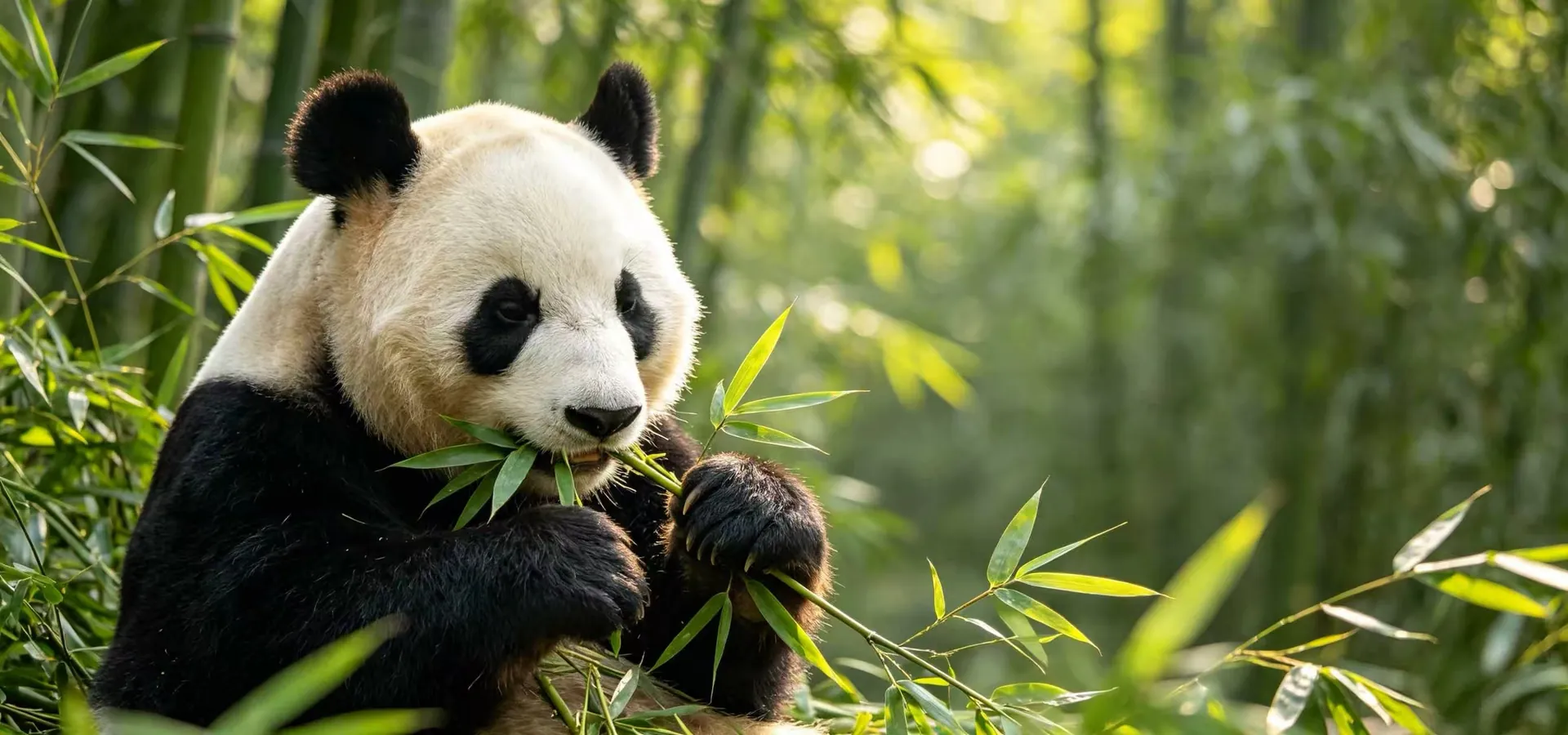
Chengdu Travel Guide - Pandas, Spice & the Art of Taking It Slow

Chengdu is China's capital of contentment. Watch baby pandas tumble at the breeding base, demolish a bubbling pot of fiery mala hot pot at lunch, sit in a bamboo chair drinking jasmine tea for three hours in the afternoon, and end the night watching Sichuan opera masks change in the blink of an eye.
Known as the "Land of Abundance" (Tianfu zhi Guo) for over 2,000 years and a UNESCO City of Gastronomy, Chengdu doesn't rush. Neither should you.
📍 Where is Chengdu?
Chengdu is the hub of Southwest China. A region unto itself - it is a 3.5-hour high-speed rail ride from Xi'an, 1.5 hours from Chongqing, and a short flight from Yunnan's natural wonders. It pairs naturally with Chongqing (food route), Xi'an (history + food route), and Guilin (nature extension).
| to City | Transport | Time |
|---|---|---|
| Chongqing | High-speed rail | 1.5h |
| Xi'an | High-speed rail | 3.5h |
| Kunming | High-speed rail | 5h |
| Guilin | Plane (or HSR via Guiyang) | 2h flight / 6h train |
| Shanghai | Plane | 3h |
| Lhasa (Tibet) | Plane | 2.5h |
See routes including Chengdu →
🌤️ When to Visit - Month by Month
| Month | Temp | Rain | Crowd | Rating | Events & Tips |
|---|---|---|---|---|---|
| Jan | 2~10°C | Low | Low | ★★ | Cold. Foggy |
| Feb | 4~12°C | Low | Low | ★★ | Still cold |
| Mar | 8~18°C | Medium | Medium | ★★★★ | Cherry blossoms |
| Apr | 12~22°C | Medium | High | ★★★★★ | Perfect weather |
| May | 17~28°C | Medium | High | ★★★★ | Warm. May holiday |
| Jun | 20~30°C | High | Medium | ★★★ | Rainy season starts |
| Jul | 22~32°C | High | Medium | ★★ | Hot. Humid |
| Aug | 22~32°C | High | Medium | ★★ | Hottest. Thunderstorms |
| Sep | 16~26°C | Medium | Medium | ★★★★★ | Best month |
| Oct | 12~21°C | Low | High | ★★★★ | Golden Week. Avoid |
| Nov | 7~16°C | Low | Medium | ★★★★ | Crisp air |
| Dec | 3~12°C | Low | Low | ★★ | Cold. Foggy |
Compare Chengdu's climate with other cities →
🗺️ Attractions - Ranked
🔴 Must-See (Don't Miss These)
1. Giant Panda Breeding Research Base The reason most travelers fly to Chengdu. Home to over 200 giant pandas in spacious, forested enclosures. This is not a zoo - it is a conservation center. The newborn cubs in the nursery are a highlight.

| Detail | Information |
|---|---|
| Open | 7:30 AM - 6:00 PM (last tickets 5:00 PM) |
| Admission | ¥55 (Mar-Nov), ¥53 (Dec-Feb) |
| Getting there | Metro Line 3 to Panda Avenue → shuttle bus or taxi (10 min) |
| Best time | Before 8:00 AM - feeding 8:00-9:30 AM, only active window |
| Time needed | 3-4 hours |
2. Kuanzhai Alley (宽窄巷子) Three Qing Dynasty alleyways transformed into a pedestrian quarter. Kuan Alley for teahouses; Zhai Alley for shopping and street food; Jing Alley with historical brickwork. Free entry. Metro Line 4. 2-3 hours.
3. Sichuan Hot Pot Dinner Not a tourist activity - a rite of passage. See Food Guide ↓.
🟢 Worth a Visit (If You Have Time)
4. Wuhou Shrine (武侯祠) Dedicated to Zhuge Liang. The red-walled bamboo corridor is extremely photogenic - arrive before 10 AM to avoid the queue. ¥60. Metro Line 3 to Gaoshengqiao. Adjacent to Jinli Street. 1.5-2 hours.
5. Jinli Ancient Street (锦里古街) Lantern-strung pedestrian lane. Visit at night when the red lanterns transform it into the most atmospheric evening walk in the city. Free. 1-2 hours.
6. People's Park (人民公园) & Teahouse The heart of Chengdu's slow-living culture. Sit in a bamboo chair with jasmine tea (¥20-30), watch locals play mahjong. Free entry. Metro Line 2. 1-3 hours.
⚪ Off the Beaten Path
7. Shu Embroidery Museum (蜀绣博物馆) - Free. Near Qingyang Palace. 8. Qingyang Palace (青羊宫) - Tang dynasty Taoist temple. ¥10. Metro Line 5.
❌ Skip These (Tourist Traps)
| Trap | Why to Skip |
|---|---|
| Jinli Street restaurants | Overpriced mediocre food. Visit for atmosphere, eat elsewhere |
| Rickshaw rides around Kuanzhai | ¥100 for a 15-min loop |
| Panda Base VIP touts | Fake. Buy from official booth only |
| Wild mountain fungus shops | ¥1,000+/jin targeting tourists |
🗓️ Suggested Itineraries
1 Day in Chengdu - Panda + Evening Walk
| Time | Activity |
|---|---|
| 7:00 AM | Arrive at Panda Base (gate opens 7:30) |
| 7:30-10:30 | Panda Base - nurseries → adult enclosures |
| 11:00-12:30 | Lunch: Dan dan noodles at Xiao Tan Douhua |
| 1:00-2:30 | Wuhou Shrine (red-walled corridor) |
| 3:00-4:30 | People's Park - tea at Heming Teahouse |
| 5:00-7:00 | Jinli Street for dusk atmosphere and snacks |
| 7:30-9:00 | Hot pot dinner at Shu Daxia |
| 9:30+ | Riverside walk at Anshun Bridge |
2 Days in Chengdu - Add Culture & Opera
| Day | Time | Activity |
|---|---|---|
| Day 1 | Same as 1-day itinerary above | |
| Day 2 | 9:00-11:00 | Kuanzhai Alley - morning tea |
| 11:30-1:00 | Sichuan cooking class (book ahead) | |
| 1:30-3:00 | Chuan chuan xiang at Ma Lu Bian Bian | |
| 3:30-5:30 | Shu Embroidery Museum or Qingyang Palace | |
| 7:00-9:00 | Sichuan opera at Shu Feng Ya Yun |
3 Days - Add a Day Trip
Add Day 3: Dujiangyan + Mount Qingcheng (see below).
🚗 Day Trips from Chengdu
| Destination | Transport | Time | Why Go |
|---|---|---|---|
| Dujiangyan + Mount Qingcheng | HSR from Xipu Station | 30 min train | UNESCO irrigation (256 BC) + Taoist mountain |
| Leshan Giant Buddha | HSR from Chengdu East | 1 hour | 71m stone Buddha (UNESCO). Boat cruise for full view |
| Chongqing | HSR from Chengdu East | 1.5 hours | Futuristic skyline, Chongqing hot pot |
| Jiuzhaigou Valley | Flight from TFU | 1h flight | Turquoise lakes, alpine waterfalls. 2-3 night trip |
🍜 Food Guide
Chengdu is a UNESCO City of Gastronomy. The defining flavor is mala (麻辣): Sichuan peppercorn numbing + chili heat.
Spice Survival Guide
Order weila (微辣 / mild spicy). In Chengdu, "mild" is hotter than most cuisines' "extra hot." Ask for a half-and-half pot (鸳鸯锅) with clear broth on one side. Never drink the hot pot broth - it is a cooking medium. Your coolant: sesame oil + garlic + cilantro.
| Dish | What It Is | Where to Eat | Price |
|---|---|---|---|
| Sichuan Hot Pot | Bubbling chili broth, dip ingredients to cook | Shu Daxia, Xiaolongkan, Huangcheng Laoma | ¥80-150 |
| Chuan Chuan Xiang | Hot pot on a stick, pay by skewer | Ma Lu Bian Bian | ¥30-60 |
| Dan Dan Noodles | Wheat noodles + minced pork + chili oil | Xiao Tan Douhua | ¥12-18 |
| Mapo Tofu | Silken tofu in chili bean sauce | Chen Mapo Tofu (since 1862) | ¥28-38 |
| Long Chaoshou | Dragon wontons in savory broth | Long Chaoshou on Chunxi Road | ¥15-25 |
| Rabbit Head (兔头) | Braised rabbit head - midnight snack | Shuangliu Laoma Tutou | ¥12-18 |
🏨 Where to Stay
| Area | Vibe | Price/night | Best For |
|---|---|---|---|
| Taikoo Li & Chunxi Road | Downtown, luxury malls | ¥500-1,800 | First-timers, metro convenience |
| Kuanzhai Alley & Qintai Road | Boutique courtyard hotels | ¥400-1,200 | Culture lovers, couples |
| Jinli / Wuhou area | Walkable to historic sites | ¥300-800 | Budget travelers |
| Chengdu East Station | Modern transit hub | ¥350-700 | Train travelers |
Booking tip: Use Trip.com (English, foreign card accepted) or Booking.com. Confirm the hotel accepts foreign guests.
🚇 Getting Around
| Method | App | Notes |
|---|---|---|
| Metro | Alipay Transport | 13 lines, English signage at every station |
| DiDi | DiDi app | Cheaper than taxis, English interface available |
| Shared Bike | Hello Bike via Alipay | ¥1-2 per ride, great for old city lanes |
| Tourist Bus | Book at Wuhou Shrine | Direct to Panda Base (¥25), Dujiangyan (¥30) |
From Airports:
- Tianfu (TFU): Metro Line 18 (50 min, ¥10) or taxi (60-80 min, ¥150-200)
- Shuangliu (CTU): Metro Line 10 (40 min, ¥6-8) or taxi (30-40 min, ¥60-90)
🎭 Unique Experiences
| Experience | Book In Advance? |
|---|---|
| Panda Keeper for a Day | ✅ 2-3 months ahead |
| Sichuan Cooking Class | ✅ 1 day ahead |
| Sichuan Opera & Face-Changing (变脸) | ✅ Same-day possible |
| People's Park Tea & Ear Cleaning (掏耳) | ❌ Walk in |
| Anshun Bridge Riverside Night Walk | ❌ Walk in |
🛍️ Souvenirs
| Souvenir | Where to Buy | Price |
|---|---|---|
| Hot Pot Base (火锅底料) | Supermarkets (not tourist shops) | ¥15-30 |
| Shu Embroidery (蜀绣) | Museum shop, Kuanzhai Alley | ¥100-500+ |
| Pixian Doubanjiang (郫县豆瓣酱) | Ito Yokado supermarket | ¥10-25 |
| Zhang Fei Beef (张飞牛肉) | Jinli Street, Kuanzhai Alley | ¥30-60 |
| Bamboo Tea Set | Dujiangyan gift shops | ¥80-200 |
📱 Before You Go - Checklist
- VPN installed? Google, Instagram, WhatsApp are blocked. VPN guide →
- Alipay set up? Most shops are cashless. Link your foreign card. Alipay guide →
- DiDi app downloaded? DiDi guide →
- Cash reserve: ¥300-500 for emergencies
- Panda Base tickets: Book online via WeChat mini-program
- Pleco app? Offline Chinese dictionary. Language guide →
Travel Styles for Chengdu
Budget: ¥35 dorms, ¥12 noodles, free parks. Budget guide → Family: Panda Base with kids, non-spicy hot pot options. Family guide → Seniors: Flat city, paved paths, bamboo-chair tea houses. Seniors guide →
🔗 Related
Routes: 14-Day Golden Route · Sichuan Food Trail · Jiuzhaigou Nature Route · Chengdu Gateway
Info: Visa · Payment · Internet
Have you been to Chengdu?
What's the one experience you would tell every traveler not to miss?
More Cities to Explore
Chongqing Travel Guide: Spicy Hot Pot, Mountain City & Cyberpunk Nights
The ultimate Chongqing travel guide — fiery hot pot, 8D mountain city views, Hongya Cave at night, Wulong karst landscapes. China's most dramatic megacity.
Beijing Travel Guide: Forbidden City, Great Wall, Food & Insider Tips
The ultimate Beijing travel guide for foreign visitors — how to visit the Forbidden City, hike the Great Wall (Mutianyu), eat authentic Peking duck, explore historic hutongs, and navigate China's sprawling capital like a local.
Shanghai Travel Guide: Top Attractions, Food, Hotels & Insider Tips
The ultimate Shanghai travel guide for foreign visitors. Discover the Bund, Disneyland, soup dumplings, best areas to stay, and unique experiences in China's most cosmopolitan city.
Get Weekly China Travel Tips
Join our newsletter for destination guides, travel hacks, visa updates, and insider recommendations delivered to your inbox.
No spam. Unsubscribe anytime.